Self-hosting an AI agent is safe only if you take on the security work a hosted vendor would otherwise do. With OpenClaw, the most popular self-hosted personal agent, that means keeping the gateway off the public internet, turning on the sandbox, vetting skills, patching promptly and limiting what the agent can reach. Many early users skipped those steps, and the results were well documented.
Hosted agents such as Meta Muse, Claude Duet, OpenAI dots and Grok Bot take most of that work off your hands, at the cost of control and of trusting a company with your data.
What does "self-hosted" really mean?
OpenClaw is free, MIT-licensed software run by the OpenClaw Foundation. You install it on your own computer, a home server or a rented cloud machine, and it runs a "gateway" that connects a model of your choice to your messaging apps, files and tools.
Two points are often misunderstood:
- The model is usually not self-hosted. Unless you run a local model, your prompts and the content your agent reads still go to an AI provider such as OpenAI or Anthropic.
- You are the operator. Updates, configuration, network exposure and incident response are your job. OpenClaw's security policy offers no paid bug bounty and treats prompt-injection-only attacks as out of scope, so the defence against those is your configuration.
What has gone wrong with self-hosted agents?
- Exposed OpenClaw instances counted by Censys (31 Jan 2026)
- 21,639
- Exposed instances found by SecurityScorecard STRIKE in 24 hours
- 40,000+
- Malicious skill packages that ever appeared on ClawHub (Antiy CERT, Feb 2026)
- 1,184
Exposed gateways
In early 2026, scanners found tens of thousands of OpenClaw gateways reachable from the internet, and by some scans more than 135,000. Censys counted 21,639 on 31 January 2026, and SecurityScorecard's STRIKE team found more than 40,000 in its first day of scanning. An exposed gateway with weak authentication can hand a stranger your agent. Check yours with our OpenClaw exposed gateway check.
Serious vulnerabilities
CVE-2026-25253, a one-click remote code execution flaw, was patched, but only protects people who update. OpenClaw's GitHub lists hundreds of security advisories. Running an old version is one of the easiest ways to be compromised.
Malicious skills
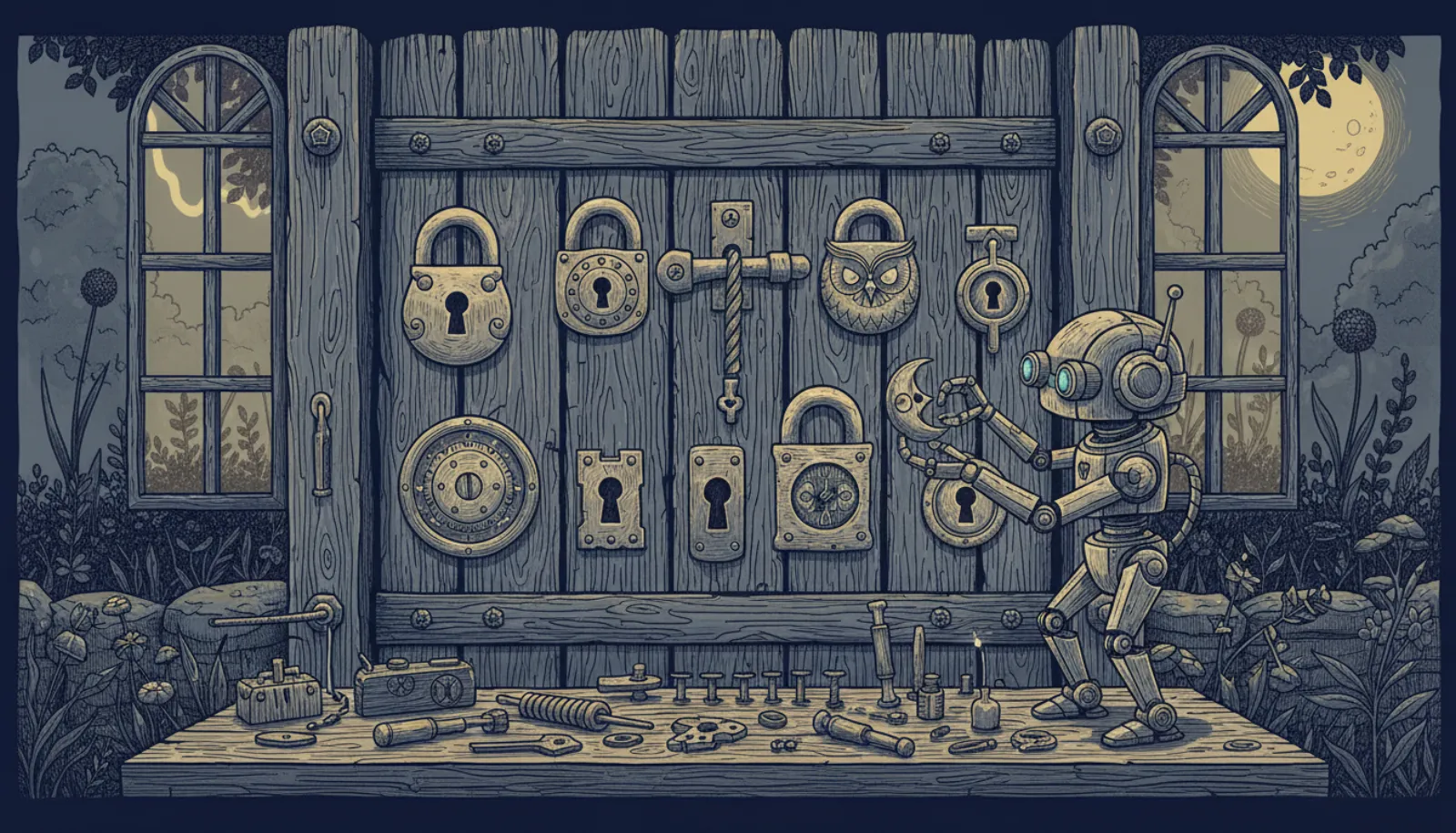
Koi Security's first audit found 341 malicious skills out of 2,857 on ClawHub, 335 of them tied to the ClawHavoc campaign, and Antiy CERT later counted 1,184 malicious packages that had ever appeared there. They carried macOS stealers and Windows credential harvesters. See malicious agent skills and ClawHavoc.
Permissive defaults
OpenClaw's sandbox is off by default in OpenClaw 2.0, and the trusted-operator default lets the agent run shell commands without asking. The gateway security docs say plainly that OpenClaw "is not a hostile multi-tenant security boundary" and that shared sessions are not tenant isolation. Thoughtworks' Technology Radar placed OpenClaw at "Caution", calling it "permission-hungry by nature".
What do hosted agents do better, and worse?
Pros
- Self-hosted: files and memory stay on hardware you control
- Self-hosted: you choose the model and can inspect every setting and log
- Self-hosted: no subscription lock-in; the software is free
- Hosted: vendor-run defences, approval gates and credential isolation
- Hosted: patches arrive without you doing anything
Cons
- Self-hosted: you handle exposure, patching, sandboxing and skill vetting
- Self-hosted: unofficial channels such as OpenClaw's WhatsApp bridge can break the messaging app's terms
- Hosted: you trust the vendor with your data and its retention rules
- Hosted: less control, and features can change or be withdrawn
Hosted vendors build defences an individual cannot easily reproduce. Meta says Muse's agent "only ever sees a 'surrogate' token" instead of real credentials (Meta). Anthropic says Claude Duet never sees your passwords and checks actions outside the model. These are claims from the vendors, and hosted agents still fail: Muse's Mac app had a zero-day in September 2026, fixed within a day.
| Risk | Self-hosted (OpenClaw) | Hosted (Muse, Duet, dots, Grok Bot) |
|---|---|---|
| Internet exposure | Your job; default bind is loopback, but containers and tunnels can expose it | Vendor's job |
| Patching | Your job | Automatic |
| Prompt injection | Your configuration; out of scope for OpenClaw's security policy | Vendor defences plus your approvals |
| Third-party add-ons | Open marketplace; you vet skills | Curated connectors |
| Data location | Your machine (model provider still sees prompts) | Vendor's servers, under its retention rules |
| Credential handling | Keys and tokens in your config | Vendor-managed isolation |
As of November 2026. A wider feature comparison is in AI agent safety features compared.
Who is self-hosting a good fit for?
Self-hosting suits people who already run their own servers, read changelogs and are comfortable with firewalls and Docker. It is also reasonable for a narrow, low-risk agent: one that drafts text or watches a feed without access to email, money or shell commands.
It is a poor fit if you want a set-and-forget assistant, plan to give it your main email and payment details, or would not notice an advisory for weeks. Those users are generally better served by a hosted agent with approval gates.
If you do self-host, what is the minimum?
- Keep the gateway privateBind to loopback and use Tailscale or an SSH tunnel for remote access.
- Require strong authSet a long random gateway token and run openclaw security audit.
- Turn on the sandboxRun agents in Docker or Podman with no or read-only workspace access.
- Vet every skillRead it, check its scan state and pin it to a version.
- Update promptlyWatch OpenClaw's security advisories and upgrade soon after fixes.
- Limit reachUse a low-privilege OS user, scoped API keys and a separate messaging number.
The full walkthrough is in our OpenClaw security hardening checklist, with sandbox details in OpenClaw sandbox and exec approvals. Setup steps are on getpersonalaiagents.com.
Bottom line
Self-hosting is not inherently less safe than a hosted agent, but it is less forgiving. The early-2026 exposure scans and the ClawHavoc campaign showed what happens when powerful agents run with default settings and no maintenance. If you are willing to harden, patch and limit your agent, self-hosting gives you control no vendor offers. If not, a hosted agent with approvals turned on is the safer choice.